
Brisbane weather is a test that never ends. A single summer downpour can turn a hairline mark into a steady drip by nightfall, and warm, humid air keeps moisture in play long after the clouds move on. In a city of post war brick walk ups, riverside townhouses, and new towers, water will always search for the easy path inside. Remedial waterproofing responds to that reality with focused fixes that close those paths without tearing a building apart.
Where leaks actually begin
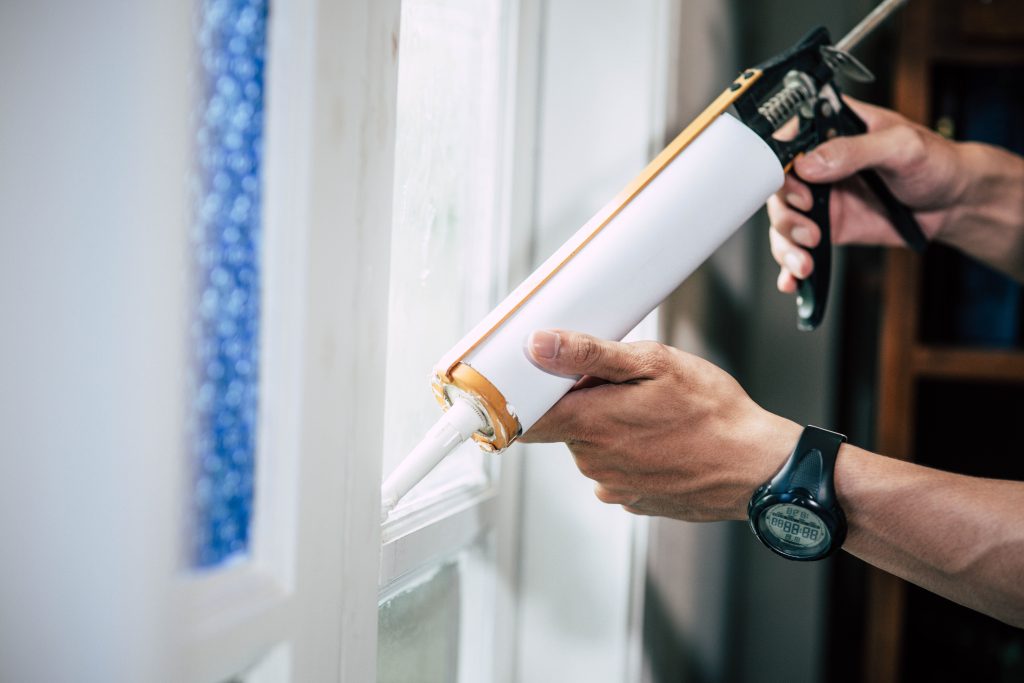
Most failures are small and ordinary. Balcony grout lines open and invite water below the tile. Parapet caps allow wind driven rain to slip under a lap that was never sealed properly. Window heads rely on a tired bead of silicone that no longer bonds. Planter boxes have no overflow and their first irrigation change punctures the membrane. On towers, rain rides the wind, finds a junction behind cladding, and shows up two floors below the source. These are not rare defects. They are the everyday points that let water win.
Why a measured repair beats rip and replace
Full replacement has a place, but it is noisy, costly, and slow. A remedial mindset looks at cause and effect. If a membrane is intact but the edges are open, you re detail terminations so water cannot track. If a slab has micro cracks, you bridge them so movement does not print a stain in the next hot spell. If a planter leaks into an apartment, you remove soil, repair the box, add protection and drainage, and set a real overflow before reinstating. Residents live more peacefully and budgets reach further.
Methods in plain language
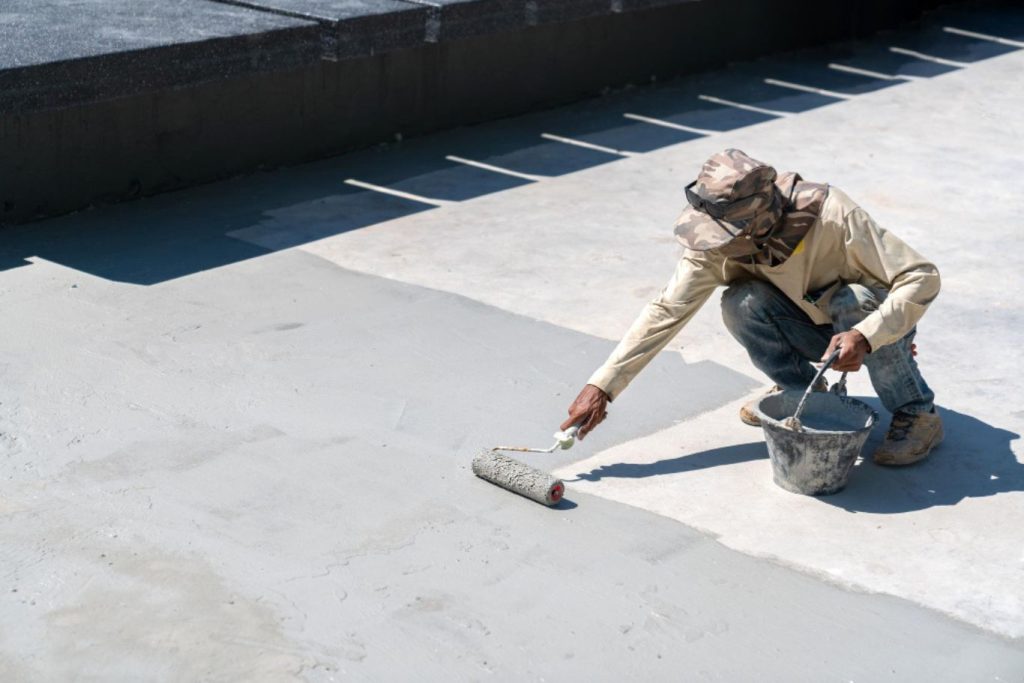
Surface membranes are brush or roll systems that cure into a continuous film. They suit roofs, balconies, and podiums when you can control foot traffic during cure.
Crack bridging systems span joints and hairlines so movement on the first warm day does not split the seal.
Negative side work is for basements or service rooms where you resist moisture from the inside because exterior access is impossible.
Detailing is the quiet hero. Primers, bond breakers, fillets, drain terminations, door thresholds, and neat upturns turn a paint job into a solution that survives storm season.
What good looks like on a live site
Surfaces are clean and dry. Moisture readings are logged and primers match the substrate. Drains are lifted and re set, not painted around. Door thresholds receive tidy upturns. Balconies are water tested before handover. If a small blister appears, the crew chases and repairs it that same day. Progress photos and film thickness checks give owners a record that justifies the spend.
The practical middle of the story
Most projects need a combined approach. Teams handle remedial waterproofing across balconies, planters, parapets, and roof penetrations that are common in waterproofing Brisbane work. When older soffits or eaves test positive, licensed contractors add asbestos encapsulation services only where surfaces need stabilising, so coatings bond and fibres remain locked. The sequence matters. Fix water paths, stabilise risky surfaces, then protect with the right system. This order produces a durable finish and fewer call backs.
Typical problems by building type
Walk ups from the seventies and eighties leak at balcony door thresholds and planter boxes. The cure is a set of small tasks that add up. New puddle flanges, proper membrane upturns, and a reset of the sill detail.
High rise podiums often show capillary leaks at cold joints. Negative side coatings in plant rooms keep interiors dry while surface membranes and joint detailing deal with the source.
Townhouses with internal courtyards suffer when overflows sit too high. Lower the overflow, line the box properly, add protection and a drainage cell so soil cannot choke the system.
How to read a quote without guesswork
Look for a story that links cause to cure. A defect map. Scope by area. Membrane brand and system. Number of coats. Target dry film thickness and cure times. For balconies, ask how thresholds and drains will be handled. For roofs, ask about fastener seals and sheet laps. If asbestos may be on the path, the quote should name the testing plan, class of work, and how the area will be controlled. Plain language here usually predicts plain sailing on site.
Testing and quality checks that make a difference
Before coatings go down, crews should run moisture tests and note results. Sample areas show how a system behaves in real light and heat. After works, flood tests on balconies confirm that drains pull water the right way and that upturns do their job. On roofs, a simple hose test around penetrations can save a season of doubt. Quality is not a slogan. It is a set of checks you can see on paper and on the surface.
A short Brisbane example
A riverside building showed brown halos on ceilings beneath planter boxes. Soil was removed and the boxes were inspected. Two penetrations from old irrigation lines had nicked the membrane and there was no overflow. The crew repaired the box, added protection board and drainage cell, installed a neat overflow, reinstated the soil, and finished with a surface top coat over the edges. Inside repairs were minor. The problem did not return in the next storm cycle.
The maintenance that keeps the win
No membrane survives clogged gutters. Plan a quick clean before storm season and again after strong winds. Remind residents not to drill through fresh upturns to hang turf or screens. Keep a simple log with photos, dates, and a few lines of observation. When a small scuff appears, touch it while it is small and you will avoid a return to full scale works.
What owners and managers notice
Rooms smell cleaner because walls are dry. Air conditioning does not work as hard on humid afternoons. Paint lasts longer. Complaint volumes drop each summer because water is not creeping through weak points. The win is quiet. People stop playing detective every time a storm rolls over the river and they get on with their week.
A calm checklist before you start
Walk each suspected area with a camera and sketch the likely paths.Confirm access. Scaffold, swing stage, or rope.Choose systems suited to sun, traffic, and expected movement at that exact spot. Lock in sequencing if asbestos or facade repairs overlap the work. Ask for film thickness targets and a small sample before full rollout. Book water tests and keep the report with your records.
The takeaway for Brisbane buildings
Leaks do not have to be a recurring headache. A steady remedial program fixes causes, not just stains. Close the paths water uses. Stabilise any risky surfaces. Protect with systems that match sun and movement. Keep gutters clear and records tidy. Over a few seasons, interiors stay dry, finishes last longer, and owners spend less.
Conclusion
If you want one accountable crew to diagnose, plan, and deliver work that keeps water out and tenants comfortable, speak with Waterproof Co. They handle inspection, sequencing, and delivery with clear notes and neat finishes so your building stays dry through Brisbane’s storm cycles.