
Why a simple plan beats frantic fixes
Brisbane buildings see heat, summer storms, and steady movement in the ground. Over time, that mix shows up as hairline cracks in slabs and walls, water marks along joints, and the occasional surprise when an older lining tests positive for asbestos. The calm way forward is a short plan that maps problems in the right order. First, understand what you are looking at. Then line up the right trades. Then finish with details that keep water out, so you do not repeat work a season later.
Start with an honest diagnosis.
Walk the areas that worry you with a notepad and your phone. Photograph each crack with a ruler beside it so you can record the width and location. Watch after the rain to see where water appears or dries last. A crack that stays the same and does not trap moisture is often cosmetic. A crack that grows or lets water track into a room needs attention. If you suspect asbestos in soffits, pipe wraps, or old tile backings, arrange a test before anyone cuts or grinds. This step is quick and protects everyone on site.
What crack injection actually does
People often think an injection is a surface patch. It is not. Technicians place small ports along the line, seal the skin, and use controlled pressure to push a liquid resin into the internal path of the crack. The resin hunts the voids you cannot see and cures into a solid. With the right product and method, you do not just hide a mark. You restore continuity where the concrete had separated, and you block the leak path at the same time.
Epoxy or polyurethane, and when each one helps
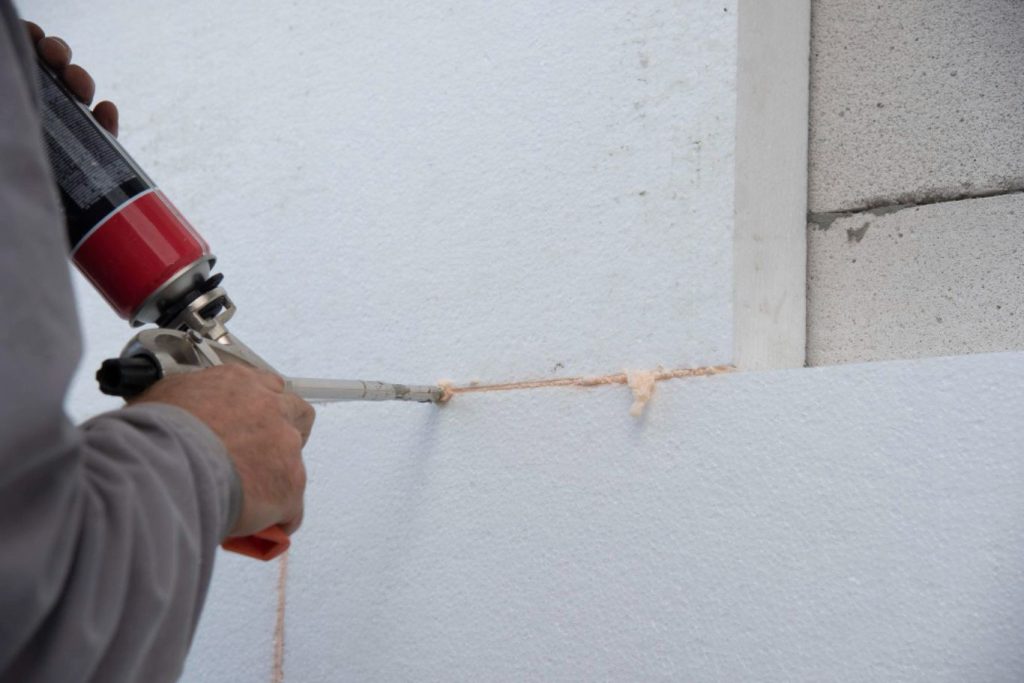
Epoxy is the choice when you need to knit a structure. Beams, slabs, and columns regain strength because the resin bonds both faces. Polyurethane is the pick for active leaks because it reacts with water and expands into a flexible seal. On many Brisbane jobs, the crew will first stop the drip with a water-reactive foam, then return once the member is dry to stitch the section with epoxy. That order keeps the work neat and avoids trapping moisture.
Preparation is most of the job.
Good crews chase the crack only enough to read it, clean with vacuum and solvent, and set ports at even spacing so the resin flows rather than lifts the skin. After cure they clip the ports, scrape the surface, and touch up the finish. Minor marks usually remain, which is a fair trade for a dry, sound member that will not print a stain at the next hot spell.
Dealing with asbestos without drama
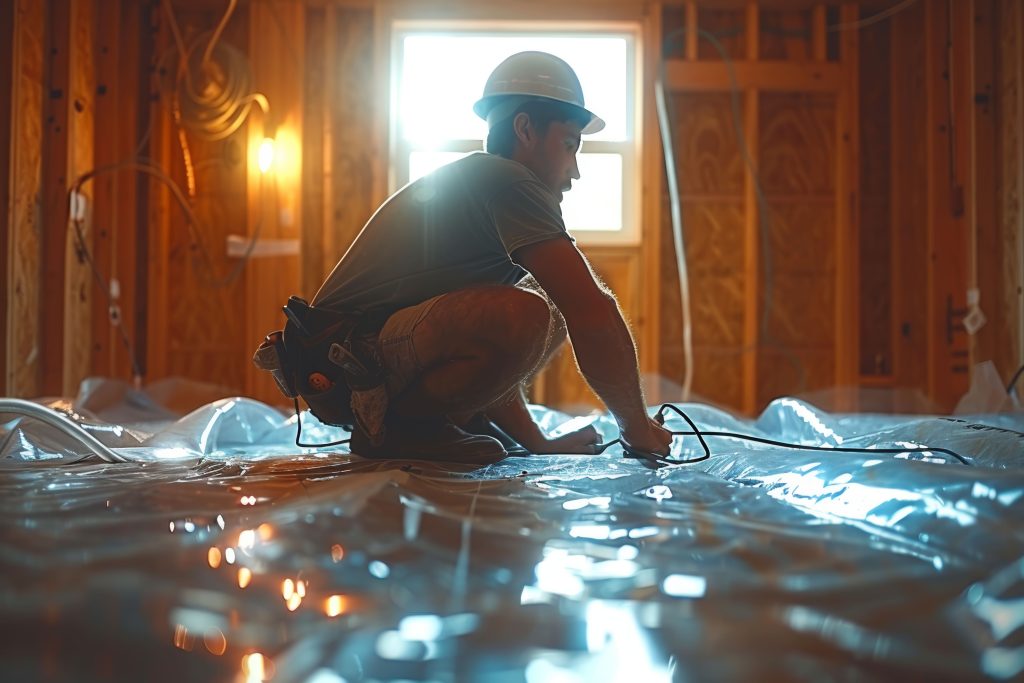
Asbestos turns up in places you might not expect. Eaves, balcony panel joints in older stock, vinyl tile backings, and old lagging are common. If testing confirms it, licensed teams set a controlled zone, remove non friable linings with methods that limit dust, and use higher controls for friable material. Waste is sealed and taken to approved facilities, and you receive clearance paperwork at the end so future audits are easy.
Encapsulation or removal
If bonded sheet is sound, an encapsulant can lock fibres in place and extend safe life. If the sheet is crumbling, water damaged, or sits in the path of other work, removal is the safer call. A licensed supervisor makes that decision after inspection and any lab results. This choice protects people now and stops a project from stalling later.
The right sequence on a live site
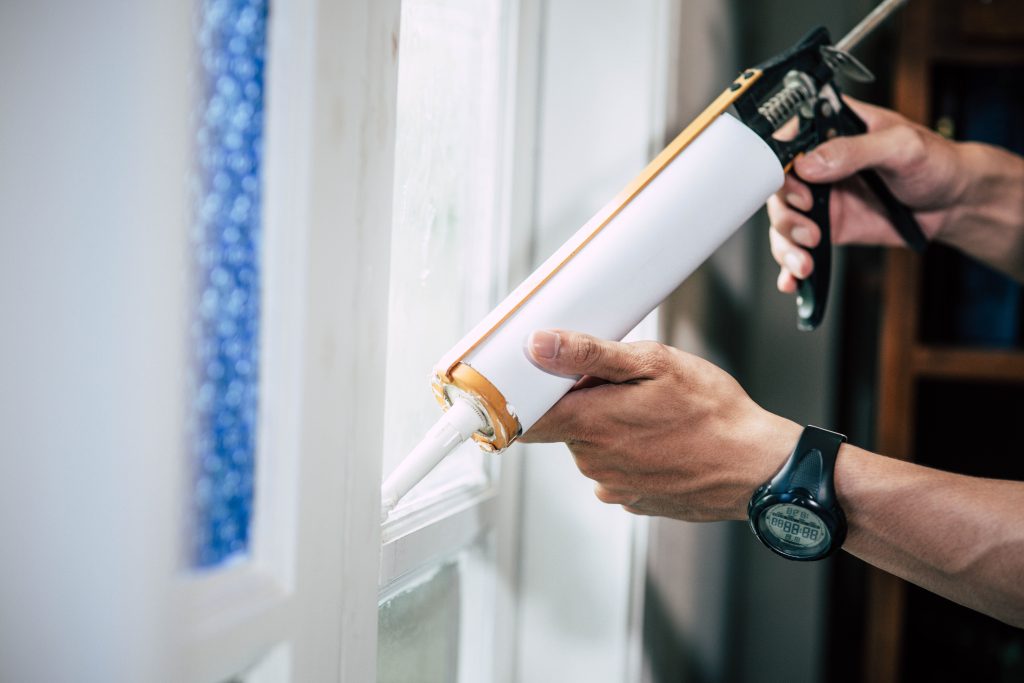
Order saves money. Begin with risk assessment and testing so everyone knows where they can and cannot work. If water is entering a space that will later become a removal zone, set a short seal so the area stays dry. Complete asbestos removal or encapsulation in any spots that would be disturbed by drilling for ports. Once zones are safe, move to concrete crack injection while surfaces are clean and dry. Finish with joint detailing and protective coatings so the first storm after handover does not find a weak point.
Where the savings actually happen
Projects run cheaper when you avoid double handling. Shared access gear and traffic control help. Fixing leaks before repainting prevents the failure that would have sent you back within a year. Clearing risky linings early stops trades from downing tools when they hit a suspect board. The tidy sequence is the real budget tool on most sites.
Mistakes to avoid
Do not fill a crack with mortar and walk away. Heat will print the line back to the surface. Do not try to inject while water is gushing. Install a short term plug, wait for the right window, then inject. Do not cut or drill near suspect linings before testing. Do not skip photos and notes. A dozen clear images and a dated sketch will save hours at review time and will make insurance and warranty conversations straightforward.
What a clear quote should include
A good proposal names resin types and batch numbers, port spacing, and expected cure times. On the asbestos side you should see a site plan, the class of work, containment method, protective equipment, and waste route. For waterproofing ask for membrane brand, coats, film thickness targets, and warranty terms. When these items are set out in plain English, delivery on site is usually just as clear.
Simple care after the works
Keep gutters and drains clear so repaired areas do not sit under standing water. Watch the first big storm and walk the line the day after. If you notice a small damp mark near a repaired joint, call early so the team can adjust while the story is fresh. Let other trades know to report any new penetrations so they can be sealed that same day.
Where your search terms fit in the real world
Property managers will often look up asbestos removal service when an older lining must be handled before other trades can continue. Facility teams search for concrete crack injection when leaks track through a slab after heavy rain. Owners type waterproofing co when they want one accountable crew to coordinate testing, injection, and final membranes rather than juggling three suppliers.
The takeaway
Fixing a building is easier when you take small, correct steps in the right order. Test and plan. Handle asbestos safely. Inject where structure and leaks demand it. Protect with sensible detailing. That steady approach keeps tenants comfortable and extends the life of the asset without waste.
Conclusion
If you want one accountable team to coordinate testing, removal, injection, and protective waterproofing under a clean schedule, speak with Waterproof Co. They keep the site safe, the scope neat, and the handover simple so your repairs last.